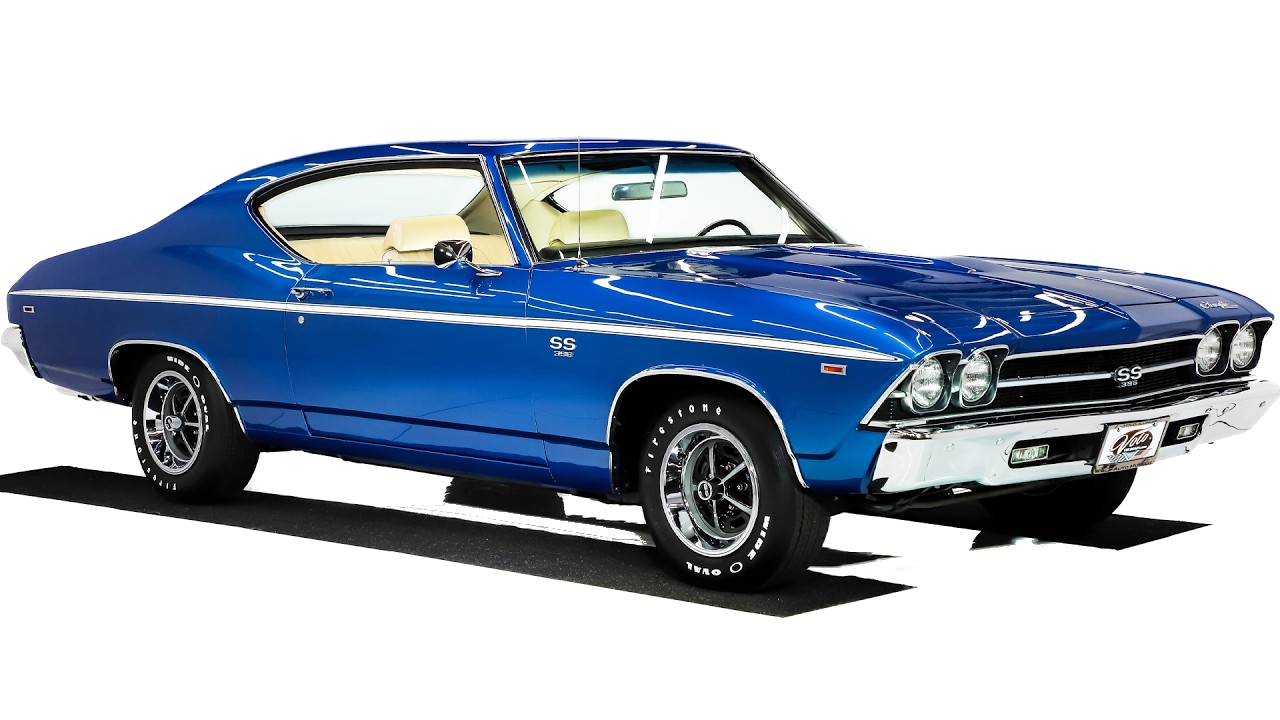
| In 1992, two families came together with a new idea for a car dealership. Robert Parviz Salim, a naturalized citizen originally from Iran, had a small used car dealership at 1502 S. Perkins Road in Stillwater, Oklahoma. It was called A&A Auto Mart because that would put it first in the yellow pages. That was important back then. He had three sons, Rocky, Danny, and David. The sons all played viola in the Stillwater Public Schools Orchestra program. And that’s how they knew Jeffery Jones and his wife Jacque. Jeff was the high school and junior high school orchestra director. The boys also grew up with Jeff’s children, Eric Ebersole, Justin Jones, and Jennifer Jones-Olson. In the 1990s, a phenomenon emerged called “program cars.” A program car is any vehicle owned by the manufacturer that cannot be sold as new. So, it would be offered at a discount to franchise holders and sometimes licensed dealers. The first program cars were company cars driven by company executives. Then there were the cars loaned to the U.S.A. Olympic Team in the 1990s and a lot of car shows where vehicles were shown and driven for demonstration that couldn’t be sold as new. During this time, the U.S. domestic car manufacturers weren’t doing so well. They faced stiff competition due to lower priced vehicles imported from Japan and Korea, and technologigically advanced luxury vehicles from Germany and Italy. Union labor contracts prevented them from reducing costs in the U.S. so they moved production to Canada and Mexico, and started rebadging imports from Japan and Korea. Ultimately though the union contracts caused them to try and produce as many vehicles as possible since they couldn’t cut labor. This created a large supply of vehicles and first-year depreciation on domestic cars was sometimes 50% on the wholesale market. The rental fleets came up with a plan to avoid getting hit with these large depreciations. They negotiated guaranteed buybacks at certain intervals and miles. Soon program cars included these rental buybacks, reposessions, and as many states adopted lemon laws, lemon buybacks. The vast majority of program cars were rental repurchase with less than 36,000 miles to still be under factory warranty. Jeff had worked around the car business his whole life. As a youth, he worked for Hepner Dodge Chrysler in Coffeyville, Kansas. He became a buyer for the dealership in 1972. He would occasionally buy cars for Hepner and for himself, especially during the summer when school was out. Hepner was retiring and selling his dealership and he told Jeff, “You’re too good (at being a buyer). You should go out on your own.” As a buyer for a franchise dealership, Jeff saw these cars and it gave him an idea. Dealers weren’t passing on the discounted prices of the program cars to the general public. Dealers were sitting program cars right next to the brand new cars and only knocking a few thousand off. They would sometimes pocket five to ten thousand dollars in profit on a single program car. So, with Hepner gone, Jeff partnered with Robert and bought his first program cars. Robert passed away in 1994 unexpectedly from a heart attack. So, in 1996, Jeff went into partnership with Rocky and David and Alpha Auto Finders was born. The idea was to treat car sales like a service. Instead of buying a huge inventory of vehicles and paying interest on a floorplan, Alpha would take orders for cars and then purchase them. They would charge only $750 over the cost of the vehicle and on program cars that could sometimes save people thousands of dollars vs. buying the same car at a franchise dealership. Jeff became an authorized buyer for multiple franchise dealerships and while he was buying cars for them at the dealers only (and sometimes franchise only) auctions, he would get Alpha’s customers whatever they needed. Sometimes certain models would show up from the rental fleets in high numbers, like Trailblazers, or Impalas, and Jeff would stock four or five on the carlot and offer them at special prices. This was a great business model, but the cheap cars were generated by massive financial losses by the manufacturers. They were often selling cars below cost and were losing billions of dollars by 2008. The manuacturers filed bankruptcies to renegotiate or exit their union contracts. They canceled franchises to reduce the number of dealers competing with each other. On top of that, the government provided low interest loans and additional funds as part of the bailouts. The result was a lot of workers lost their jobs, the big three (GM, Ford, and Chrysler) cut production, and the cost of cars started going up as manufacturers increased their profit margins. This is when the shortages started and was the beginning of the end for Alpha’s business model. The government then launched “cash for clunkers,” a program providing $3 billion in federal funds for people to trade in older cars that got poor gas mileage. More than 700,000 cars were crushed and permanently destroyed. They couldn’t be recycled in any way except melted down. The reduction in production created a shortage of new cars and cash for clunkers created a shortage of used cars. The market will take decades to recover if it ever does. In 2021, Jeff passed away and the Alpha business model died with him. Rocky and David can still buy cars and save people some money but the massive auction inventories are gone. Dealers only auctions still exist, but the car shortages are real. There are no thousands-off deals anymore. The rental companies can’t even get enough cars and not only are they not turning cars back in to the manufacturers, they are buying program cars and used cars off the auctions and putting them into their fleets. So, what will Rocky and David do now? Many people have been wondering. The answer is, they will have to downsize. The brick and mortar is too much overhead. We are moving to a mostly online model and we are pursuing other careers to keep food on the table. We have a bunch of back lot cars we took in trade over the years that we need to liquidate, so if you’re looking for a good project car holler at us. Once we get the backlot cars gone, we likely will rent out the main building to someone else who can take advantage of the excellent location. Maybe one day, when there are cars again, we will retire from our other jobs and go back to finding cars the way Jeff taught us. Oh one more thing. The 1969 Chevelle and the 1978 Corvette pace car are not for sale. Everything else, feel free to make us an offer. Drive safe! – Rocky and David |

About Us
